
Macro Calculator
Split your daily energy into grams of protein, carbohydrate and fat. Pick a preset or set your own split, and see whether it is within the ranges recommended for adults.
Energy and split
Enter your daily energy, then pick a split or set your own
Your result will appear here
Enter your daily energy and make the percentages add up to 100%
Results are estimates to help you look after your health, not a medical diagnosis. If you are pregnant, have a health condition or are worried about your weight, talk to a doctor or dietitian.
What you enter is used only for the calculation in this browser. Nothing is saved or sent anywhere.
How to read the result
What are macros?
Macros (macronutrients) are the nutrients that provide energy: protein, carbohydrate and fat. Knowing the grams makes it easier to plan meals and read nutrition labels.
Recommended ranges for adults
The result shows whether your split is within the Acceptable Macronutrient Distribution Ranges. These ranges are wide enough for many ways of eating.
| Macro | % of energy |
|---|---|
| Protein | 10–35% |
| Carbohydrate | 45–65% |
| Fat | 20–35% |
Presets
The presets are starting points, not rules. The lower-carb preset is slightly below the recommended carbohydrate range, and the result says so.
| Preset | Protein | Carbohydrate | Fat |
|---|---|---|---|
| Balanced | 20% | 50% | 30% |
| Higher protein | 30% | 45% | 25% |
| Lower carb | 30% | 40% | 30% |
How it's calculated
Formula
- Energy from a macro (kcal) = daily energy × percentage ÷ 100
- Amount (g) = energy from the macro ÷ energy per gram
- Energy per gram: protein 4 kcal, carbohydrate 4 kcal, fat 9 kcal
Example: 1,800 kcal, balanced (protein 20%, carbs 50%, fat 30%) → protein 360 kcal ÷ 4 = 90 g, carbohydrate 900 kcal ÷ 4 = 225 g, fat 540 kcal ÷ 9 = 60 g.
- The three percentages must add up to exactly 100%.
- The energy per gram values are the general Atwater factors, which most nutrition labels use.
- Results are rounded to whole numbers.
Limitations
- This tool doesn't work out how much energy you need. Use the number from the calorie deficit calculator or from a professional.
- Carbohydrate includes fibre, which actually provides less than 4 kcal per gram, and energy from alcohol isn't counted.
- Food quality matters as much as the split, for example whole grains, vegetables and plant oils.
Sources
FAO (2003). Food energy – methods of analysis and conversion factors. FAO Food and Nutrition Paper 77. Rome: FAO.
Institute of Medicine (2005). Dietary Reference Intakes for Energy, Carbohydrate, Fiber, Fat, Fatty Acids, Cholesterol, Protein, and Amino Acids. Washington, DC: The National Academies Press.
Related tools
Calorie Deficit Calculator
Estimate your BMR, TDEE and a safe daily calorie target for weight loss
Protein Calculator
A daily protein range in grams from your weight, exercise and goal
Recipe Calorie Calculator
Add up the energy of each ingredient to get calories for the whole recipe and per serving
Related products
Affiliate link: Product links are Shopee affiliate links. If you buy through them, Fatnever earns a small commission at no extra cost to you. Read our disclosure
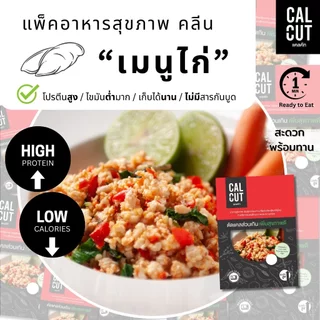
Calcut อกไก่ผัดไม่น้ำมัน อาหารคลีน อร่อย พร้อมทาน สุขภาพ เปลี่ยน นน. โปรตีนสูง อกไก่ เชฟเต้ย โปรตีน ลีน เฮลตี้ cleanfood (opens in a new tab)
See the current price and offers on Shopee

Calcut อกไก่นุ่ม อร่อย พรีเมี่ยม อาหารสุขภาพ คลีน อาหารคลีน เปลี่ยน นน. อาหาร อกไก่ เชฟเต้ย โปรตีน protien ลีน cleanfood (opens in a new tab)
See the current price and offers on Shopee
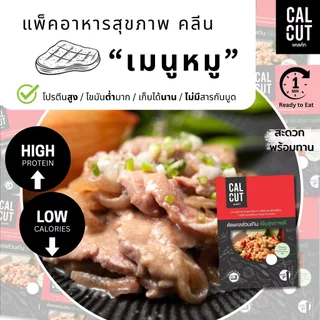
Calcut เมนูหมูสันใน หมู อร่อย อาหารสุขภาพ คลีน อาหารคลีน อาหาร อกไก่ เชฟเต้ย โปรตีน protein cleanfood 120g 500g (opens in a new tab)
See the current price and offers on Shopee
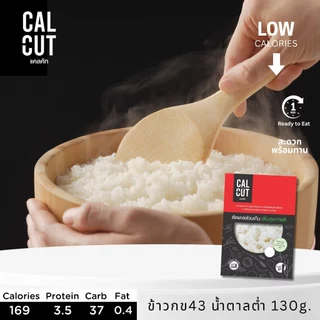
Calcut ข้าวสวย กข43 เส้นสปาเก็ตตี้ คลีน อาหารคลีน เชฟเต้ย ข้าวหุงสุก cleanfood ข้าว น้ำตาลต่ำ กข 43 อร่อย อาหารสุขภาพ (opens in a new tab)
See the current price and offers on Shopee
Product names are shown in Thai, as the sellers list them on Shopee Thailand.
Frequently asked questions
What is the best macro split?
There is no single best split for everyone. For adults, the recommended ranges are protein 10–35%, carbohydrate 45–65% and fat 20–35% of energy. A split you can keep up, with good-quality food, matters more than exact numbers.
Why is fat fewer grams for the same percentage?
A gram of fat provides 9 kcal, while protein and carbohydrate provide 4 kcal per gram. So 30% of energy from fat is fewer grams than 30% from carbohydrate.
Is 90 g of protein the same as 90 g of meat?
No. It is grams of protein in food. 90 g of meat contains much less than 90 g of protein. Check the protein content on the nutrition label or in a food composition table.
What daily energy should I enter?
If you don't know it, use the calorie deficit calculator to estimate the energy you use per day (TDEE) or a target intake, then enter that number here.
Further reading
- Weight & bodyIn Thai
What BMR is and how it's calculated (In Thai)
What BMR means, the formulas for men and women, and the activity multipliers.
- Weight & bodyIn Thai
Planning weight loss or gain with calories (In Thai)
How a weight plan works, and how daily calories and the timeline are calculated.